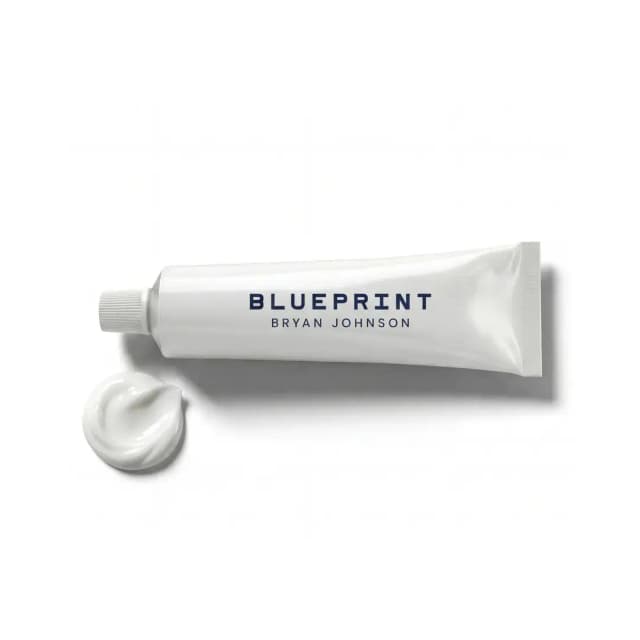
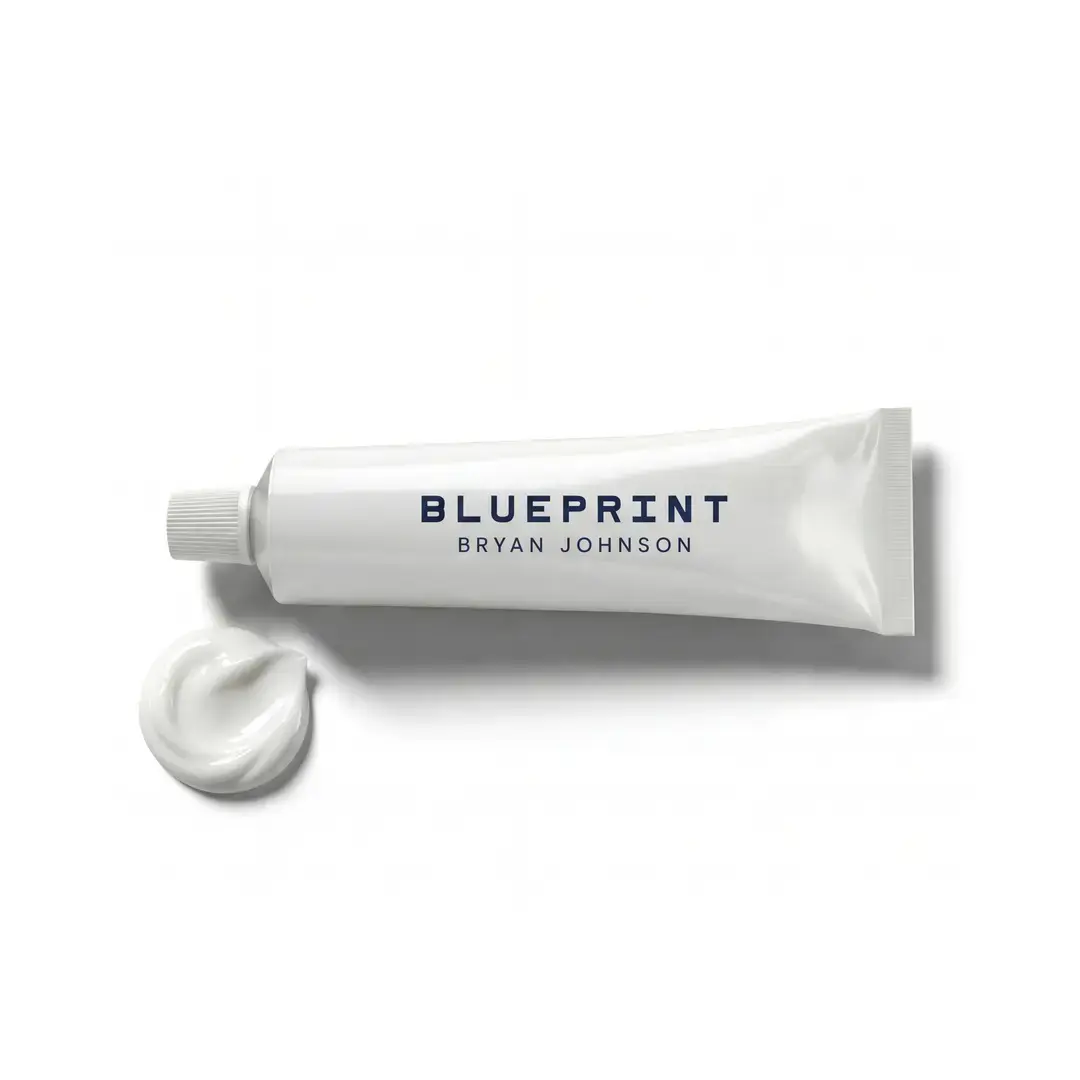
Tretinoin, 0.025%
Cream · Topical
A topical cream shown in large-scale studies to help rebuild collagen and strengthen skin.
Why is Tretinoin included for skin health?
Walk into any skincare store and you'll find hundreds of products claiming to fight aging — serums, creams, and oils with impressive ingredient lists and even more impressive price tags. Almost none of them have clinical proof that they actually change the structure of your skin. Tretinoin is an exception. It's backed by over 50 years of research, including studies where researchers took biopsies (small skin samples) before and after treatment and could see — under a microscope — that the skin had rebuilt itself: more collagen, thicker skin, new blood vessels.
How does it work?
Your skin is constantly aging in two ways: naturally over time, and faster due to sun exposure. Sun damage is particularly harmful because UV light triggers enzymes that chew through your skin's collagen — the structural protein that keeps skin firm and smooth. Every unprotected sun exposure triggers a small burst of collagen destruction. Over years and decades, this adds up to thinner, looser, more wrinkled skin. Tretinoin works by switching on genes in skin cells that rebuild collagen, speeding up the turnover of old surface cells (revealing fresher skin underneath), and blocking collagen-destroying enzymes.
How strong is the evidence?
A landmark 1988 study was the first to demonstrate that Tretinoin visibly and measurably improved aged skin in a controlled trial. Subsequent studies confirmed these results under the microscope — actual biopsy-confirmed increases in collagen and skin thickness.
What are the limitations and risks?
The first 4–8 weeks of Tretinoin use can be an adjustment period: people may experience redness, dryness, flaking, and sensitivity. This isn't an allergic reaction — it's your skin adjusting. Starting at a lower strength, alternating use a few nights a week, and applying a moisturizer before the Tretinoin, can help make this phase much more manageable. Many people who “give up” on Tretinoin do so during this adjustment phase, before they experience the benefits. Sun protection is non-negotiable — Tretinoin makes your skin more sensitive to UV, so wearing SPF 30+ every morning is a must. Tretinoin must not be used during pregnancy. Results take time: patients can typically expect visible improvement to take at least 3 or 6 months and often up to a year for the full collagen-rebuilding effect.
Frequently Asked Questions
This information is for educational purposes only and is not medical advice. Consult with a healthcare provider before starting any treatment.

Not sure where to start?
Answer a few quick questions and we'll recommend the best treatment for your goals.